
The short answer
AC installation in Cupertino starts with a load calculation, a duct and panel check and a frank talk about central air, heat pump and ductless options. BayPro then installs, tests and explains the system so it cools evenly through dry summer afternoons.
Cupertino homeowners tend to come to us with one of three situations. Some have lived for years without central air and finally want a cooler upstairs. Some have an old condenser that has started leaking refrigerant and want a replacement before next summer. Others are remodeling or adding a room and want cooling designed in from the start. BayPro Heating & Cooling handles all three in ZIP 95014, roughly nine miles west of our San Jose base. Each project begins with the same groundwork: measuring the real cooling load of your home, checking whether the ducts and electrical service can support new equipment, and then choosing a system that matches how your family actually uses the space.
Cupertino's climate and what it means for sizing
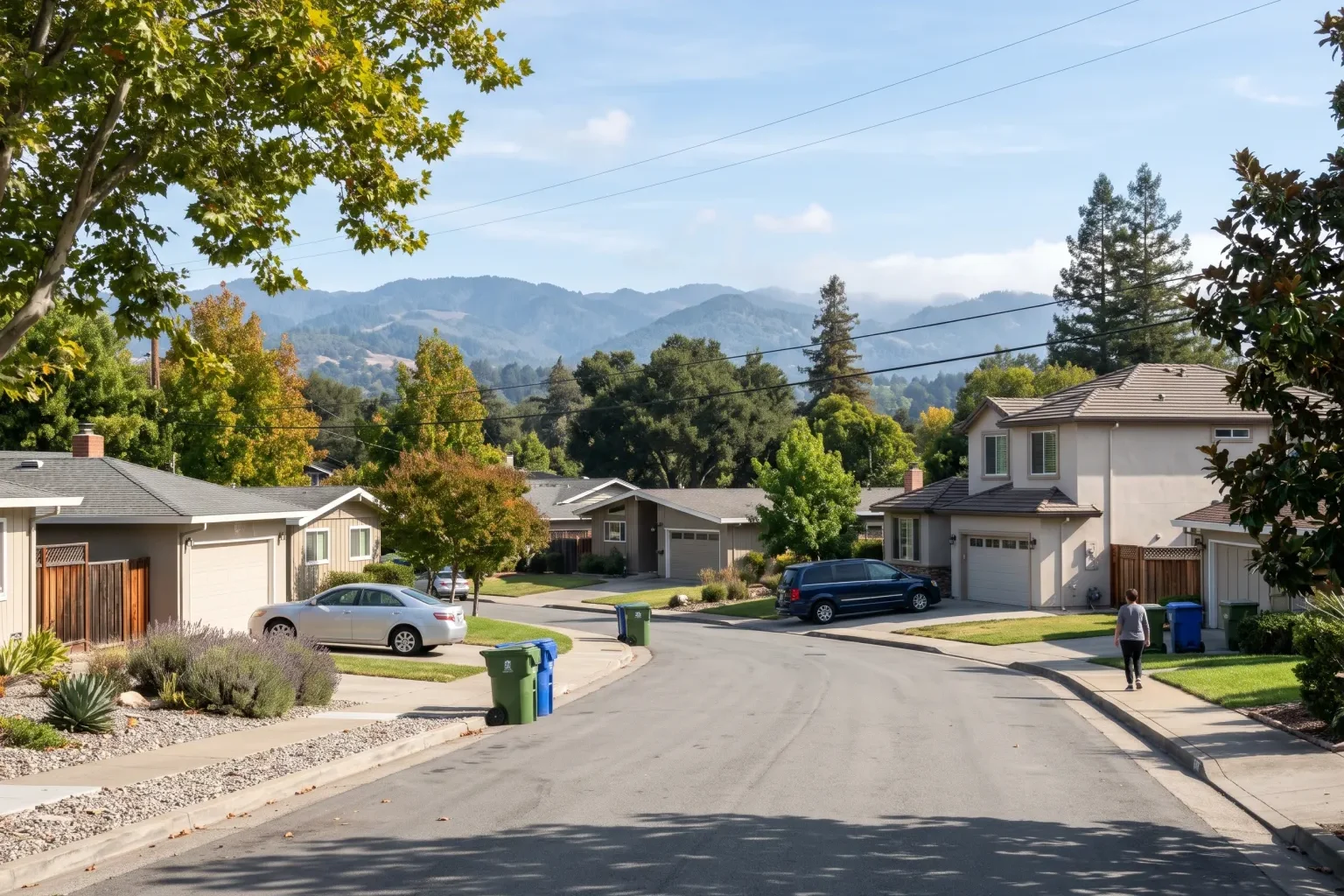
Cupertino sits on the west side of the Santa Clara Valley, where the Mediterranean pattern of dry summers and mild, damp winters holds true. Summer afternoons can get hot, especially during inland heat spells, but evenings generally cool down. A system that is too large will blast cold air, shut off, and leave the house feeling clammy and uneven; one that is too small will run nonstop during the hottest stretch of the year.
We use a Manual J style load calculation that accounts for insulation levels, window size and orientation, ceiling height, shading and the number of people at home during the day. That number, not the square footage of the house, decides the equipment size we recommend.
Two-story homes and upstairs heat
Heat rises, and in two-story Cupertino homes the upstairs bedrooms are often the hardest rooms to cool. A single system with one thermostat downstairs will satisfy the living room and leave the second floor warm. We look at several ways to solve that before you buy anything.
Options include adding return air upstairs, balancing dampers so more air reaches the second floor, installing a zoned system with a thermostat on each level, or pairing a central system downstairs with a ductless unit for the upper floor. The right answer depends on the existing ducts and how much work you want to take on.
Equipment we install
We are not tied to a single approach. Here is how the main options usually fit Cupertino homes:
- Split central air: an outdoor condenser matched to an indoor coil on your existing furnace, a common choice when the furnace still has plenty of life
- Heat pump systems: cooling in summer and heating in winter from one outdoor unit, often chosen by owners thinking ahead to future furnace replacement
- Ductless mini-splits: individual room units with no ducts, a strong fit for additions, accessory dwelling units and homes without ductwork
- Variable-speed equipment: compressors and blowers that ramp up and down for quieter, steadier temperatures
- Smart and zoning thermostats: controls that let different floors or wings run on their own schedules
The installation itself
Once you approve the plan, we schedule the work and pull any permit the job requires. On installation day the crew protects your floors, removes old equipment, sets the new outdoor unit on a level pad, mounts the indoor coil or air handler, and runs a new or flushed refrigerant line set. We pressure-test the lines with nitrogen, evacuate them with a vacuum pump and charge refrigerant to the manufacturer's specification.
Commissioning comes last. We measure airflow, supply and return temperatures, and refrigerant pressures, confirm the condensate drain is working, and program the thermostat. Then we walk you through the controls and filter changes so you know exactly how to look after the new system.
Rules and incentives worth knowing
If your furnace is getting older, you may hear about the Bay Area Air District's Rule 9-4. It requires natural gas furnaces manufactured from 2029 to meet a zero-NOx standard, which effectively pushes future replacements toward heat pumps. It does not force anyone to replace working equipment. Choosing a heat pump for cooling now can mean you are already prepared when the furnace eventually wears out.
BayREN and your local clean energy provider publish current electrification incentives. Those programs change with each funding cycle, so we confirm what is available before quoting it. The federal 25C credit only applied to heat pumps placed in service before December 31, 2025, and is no longer available for new installations.
Serving Cupertino and nearby cities
Beyond Cupertino, we install air conditioning in Saratoga, Los Altos, Sunnyvale, Santa Clara and Campbell. If you are comparing quotes, ask each contractor how they sized the system and whether they inspected your ducts. Those two answers tell you more about the finished result than the brand name on the outdoor unit.
More services in Cupertino
- AC Repair in Cupertino
- Heating Repair in Cupertino
- Heat Pump Installation in Cupertino
- Furnace Repair in Cupertino