
The short answer
A new AC system in Los Altos starts with a room-by-room load calculation, a look at your existing ducts and furnace, and a quiet, compliant spot for the outdoor unit. Many homes here can add cooling to the current furnace and ductwork, while houses without ducts often suit ductless systems.
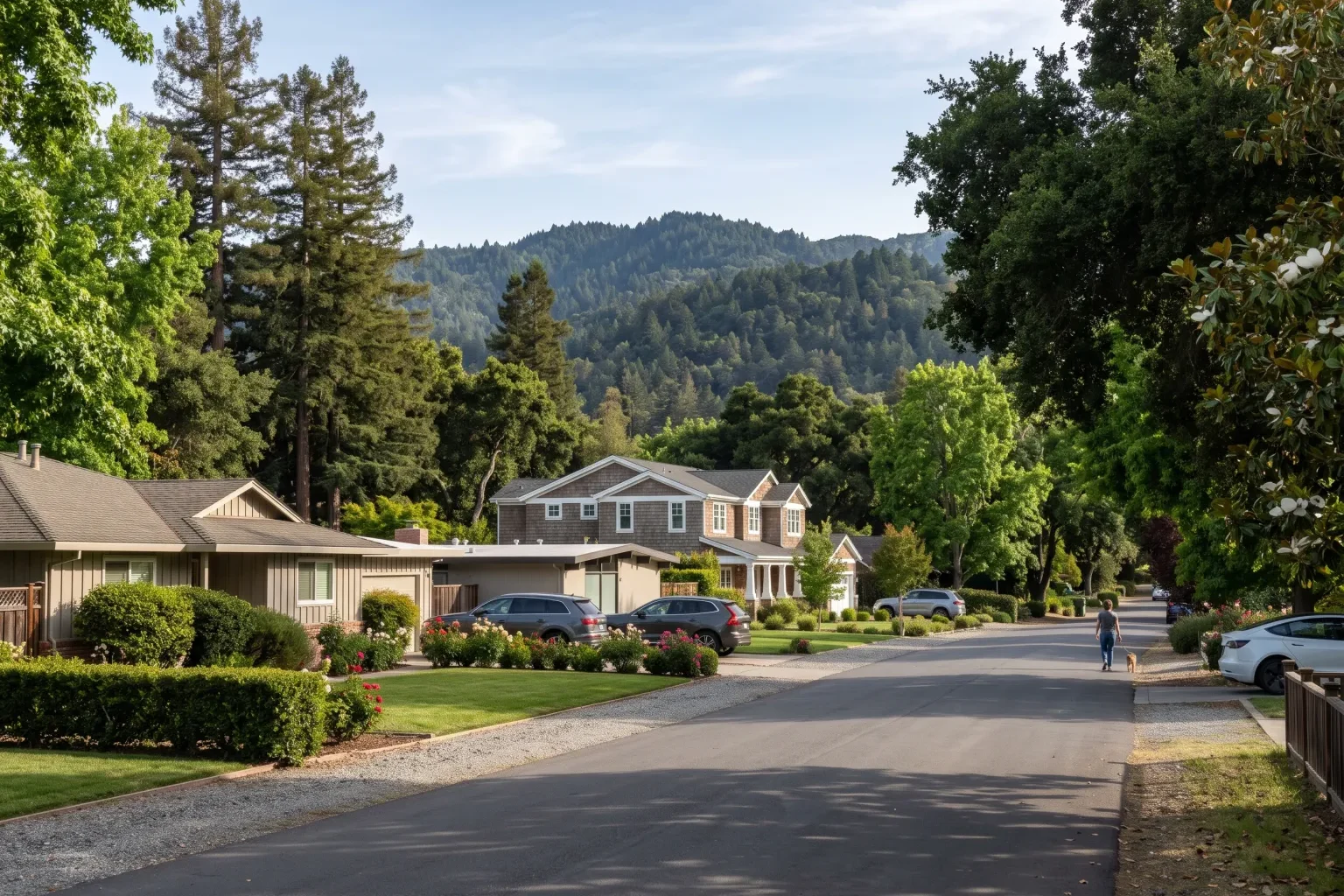
Plenty of houses in Los Altos were built for a climate that rarely asked for air conditioning. Summers here sit closer to the Bay than the hotter southern end of the Santa Clara Valley, so for decades many owners got by with open windows and a ceiling fan. That has changed for a lot of households: more people work from home, upstairs bedrooms trap afternoon heat, and a few stretches of hot weather each year make sleep hard. BayPro Heating & Cooling drives about 12 miles west from our San Jose base to plan and install central and ductless cooling in 94024 homes. This page covers what an installation in Los Altos actually involves, from deciding on equipment to the day the crew packs up.
Adding cooling to a house that never had it
The most common Los Altos project we plan is not a swap of an old air conditioner but a first one. A typical ranch or mid-century house may already have a gas furnace in the garage, attic or a hall closet, plus a set of ducts that were sized only for heat. In many cases a cooling coil can be added on top of that furnace and an outdoor condenser connected to it, which lets the existing blower move cooled air through the same registers.
Whether that works depends on the ducts. Air for cooling needs more volume than air for heating, and a return that is undersized, crushed or leaking will make a brand-new system noisy and weak. Before we quote anything we inspect the duct runs we can reach, measure static pressure, and tell you plainly if the duct system needs sealing, a larger return or a few replacement runs first.
Sizing for a milder corner of the valley
Bigger is not better. An oversized unit cools the air quickly, shuts off, and leaves the house feeling clammy, while cycling on and off more than it should. Los Altos summers are generally gentler than those in the inland and southern parts of the valley, which often means a smaller system than a neighbor in a hotter town would need.
We size equipment with a load calculation that looks at your square footage, window area and orientation, insulation, shade from mature trees, and how many people use each room. A west-facing second story with large glass doors needs a different answer from a single-level house shaded by oaks. The result is a capacity number tied to your actual house, not a rule of thumb.
Placing the outdoor unit on a Los Altos lot
Many lots here have narrow side yards, close neighbors and carefully kept gardens, so where the condenser sits matters as much as which model you choose. We look for a level pad with clear airflow on all sides, a short and protected path for the refrigerant lines, and enough distance from bedroom windows, yours and the house next door, to keep operating sound in check.
We also check local permit and setback requirements before the install is scheduled, pull the permit, and plan for the inspection so the job closes out properly.
- Clear space around the unit for airflow and future service access
- Line set routed to avoid crossing walkways or flower beds
- Electrical disconnect placed where it is easy to reach
- Condensate from the indoor coil drained to an approved location
Ducted, ductless or a heat pump instead
Some Los Altos houses have no usable ducts at all, or an addition the main system never reached. For those, a ductless mini-split can cool individual rooms with a small indoor head and a compact outdoor unit, with no attic work.
It is also worth asking whether straight air conditioning is the right purchase. A heat pump provides cooling in summer and heating in winter from one outdoor unit. Under Bay Area Air District Rule 9-4, gas furnaces manufactured from 2029 must meet a zero-NOx standard, which in practice points toward heat pumps when a furnace is eventually replaced. The rule does not force anyone to remove a working furnace. If yours still has years of service left, adding AC now is a reasonable choice; if it is near the end, pairing the decision makes sense, and we will lay out both options.
What happens on installation day
Most add-on installs in an occupied home take one to two working days, depending on duct changes and electrical work. Here is the order we follow:
- Protect floors and the work path from the door to the equipment
- Set the indoor coil and connect it to the furnace or air handler
- Place the condenser and run the refrigerant lines and wiring
- Pressure-test the lines, pull a vacuum and charge the system
- Install and set up the thermostat, then measure airflow at the registers
- Walk you through filters, settings and basic care before we leave
More services in Los Altos
- AC Repair in Los Altos
- Heating Repair in Los Altos
- Heat Pump Installation in Los Altos
- Furnace Repair in Los Altos