
The short answer
In Los Gatos, a heat pump should be sized for warm summer afternoons and cool winter nights alike. Ducted systems replace a furnace and AC in homes with sound ducts, ductless heads suit older homes without them, and an electrical review comes before equipment choice.
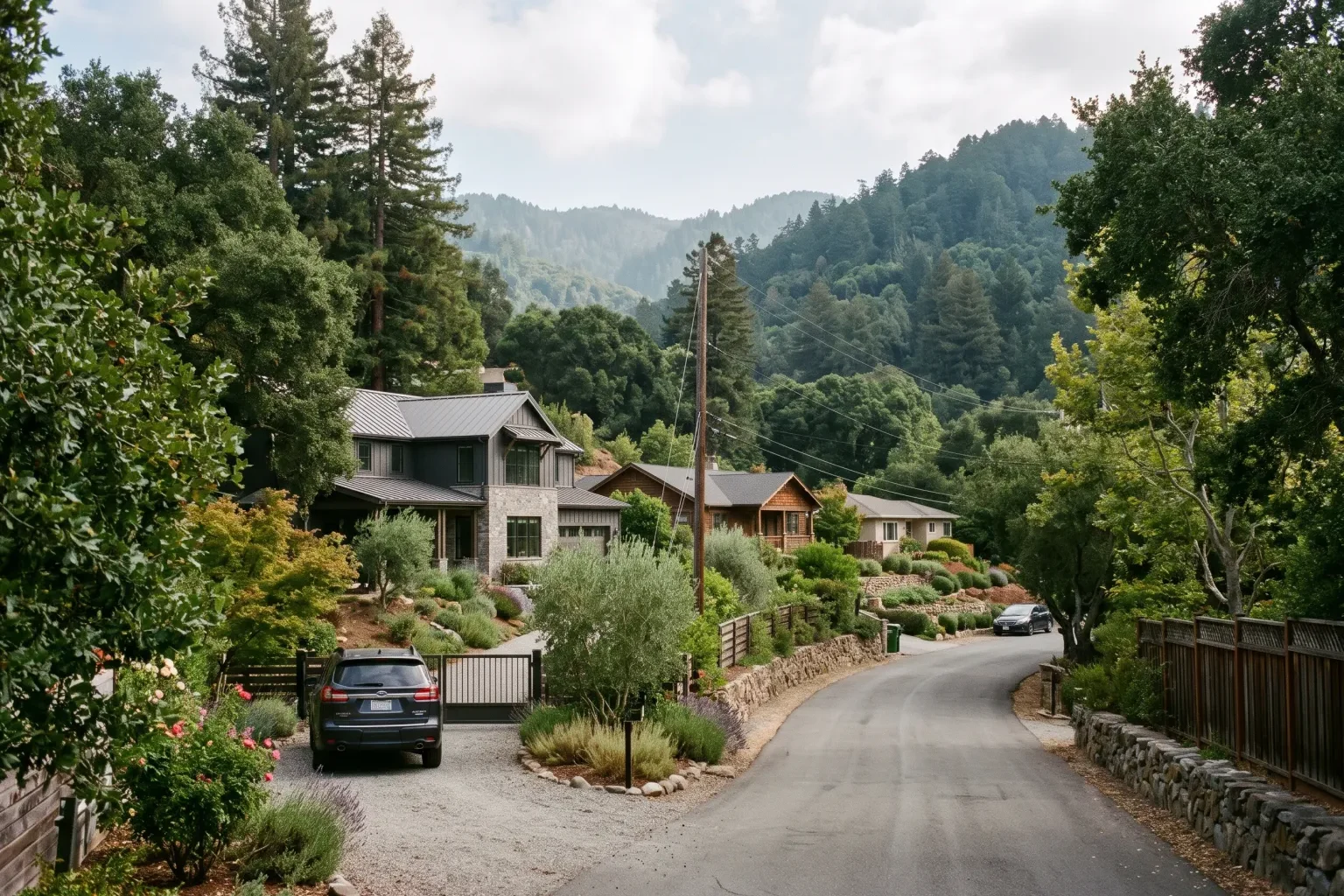
A heat pump in Los Gatos has two distinct jobs. In summer, it has to handle the warmer afternoons of the southern Santa Clara Valley, which run hotter than towns along the Bay. In winter, it has to keep up on cool, damp nights near the foothills. Modern heat pumps can do both well, but only when the system is sized and set up for the full year rather than just one season. BayPro Heating & Cooling installs ducted and ductless heat pumps throughout 95030 and 95032, about 8 miles southwest of our San Jose base. This page covers how we size for both seasons, how the house type shapes the design, and what the current rules and incentives really mean for Los Gatos homeowners.
Balancing summer and winter loads
Most homes have a heating load and a cooling load that are not the same size. In cooler Bay-side towns, heating often drives the decision. In Los Gatos, the warmer summers can make cooling the larger need for some houses, especially two-story homes with west-facing glass. We calculate both loads for every room and choose equipment that covers the larger one without being badly oversized for the other.
Variable-speed heat pumps are particularly useful here. They can run at low output on mild spring days and cool winter evenings, then ramp up on a hot August afternoon. That flexibility keeps temperatures steady and avoids the short-cycling that oversized single-speed equipment tends to cause.
How house type shapes the design
The variety of homes in Los Gatos means no single layout fits all. A few examples of how we approach common situations:
- Valley-floor ranch with a furnace and AC: replace both with a ducted heat pump and air handler, reusing ducts after sealing and testing
- Older bungalow heated by a floor or wall furnace: ductless heads in living areas and bedrooms, sized individually
- Two-story home with a hot upstairs: separate upstairs and downstairs systems, or a zoned heat pump
- Hillside home on several levels: multiple systems or zones matched to each level's exposure
- Accessory dwelling unit or garage conversion: a small dedicated heat pump on its own controls
Ducts, attics and electrical capacity
Heat pumps deliver air that is warm rather than hot, so duct leaks and poor insulation matter more than with a gas furnace. In homes with attic ducts, we test for leakage and recommend sealing or replacement where needed. Proper return sizing is also important, since heat pumps typically move more air than the furnaces they replace.
On the electrical side, we review your panel's capacity and existing loads before finalizing the design. Many homes can add a heat pump without an upgrade; some need load management or a larger service. We identify that early so it can be planned rather than discovered mid-project.
Rules and incentives, as they stand
Bay Area Air District Rule 9-4 requires gas furnaces manufactured from 2029 to meet a zero-NOx emission standard, which in practice points homeowners toward heat pumps when a furnace is replaced after that date. The Air District's appliance rules do not require replacing working equipment. They apply only when a furnace or water heater fails or is replaced.
The federal Energy Efficient Home Improvement Credit (25C) covered qualifying heat pumps placed in service before December 31, 2025, and it does not apply to installations after that date. BayREN and your local clean energy provider may offer heat pump and electrification incentives; amounts and availability change by funding cycle, so we confirm the current offer before including it in a quote. If you are also thinking about your water heater, note that the zero-NOx date for small water heaters under Rule 9-6 was set for 2027, and the Air District Board is considering amendments in November 2026 that could delay it. Check the current rule before planning that replacement.
From design to first heating season
After design and approval, we pull the permit, install the indoor and outdoor equipment, run and pressure-test the refrigerant lines, and connect the electrical circuit. Startup includes airflow measurement, refrigerant verification and thermostat programming. We explain how heat pump heat feels, why the system runs longer at lower output, and what a normal defrost cycle looks like on a damp morning. We also serve Monte Sereno, Campbell, Saratoga, Cupertino and Santa Clara.
More services in Los Gatos
- AC Repair in Los Gatos
- Heating Repair in Los Gatos
- AC Installation in Los Gatos
- Furnace Repair in Los Gatos