
The short answer
Larger Monte Sereno homes often cool best with zoning or two separate systems rather than one big unit. BayPro sizes each zone by load calculation, places outdoor equipment for low noise and checks ducts and electrical service before installing.
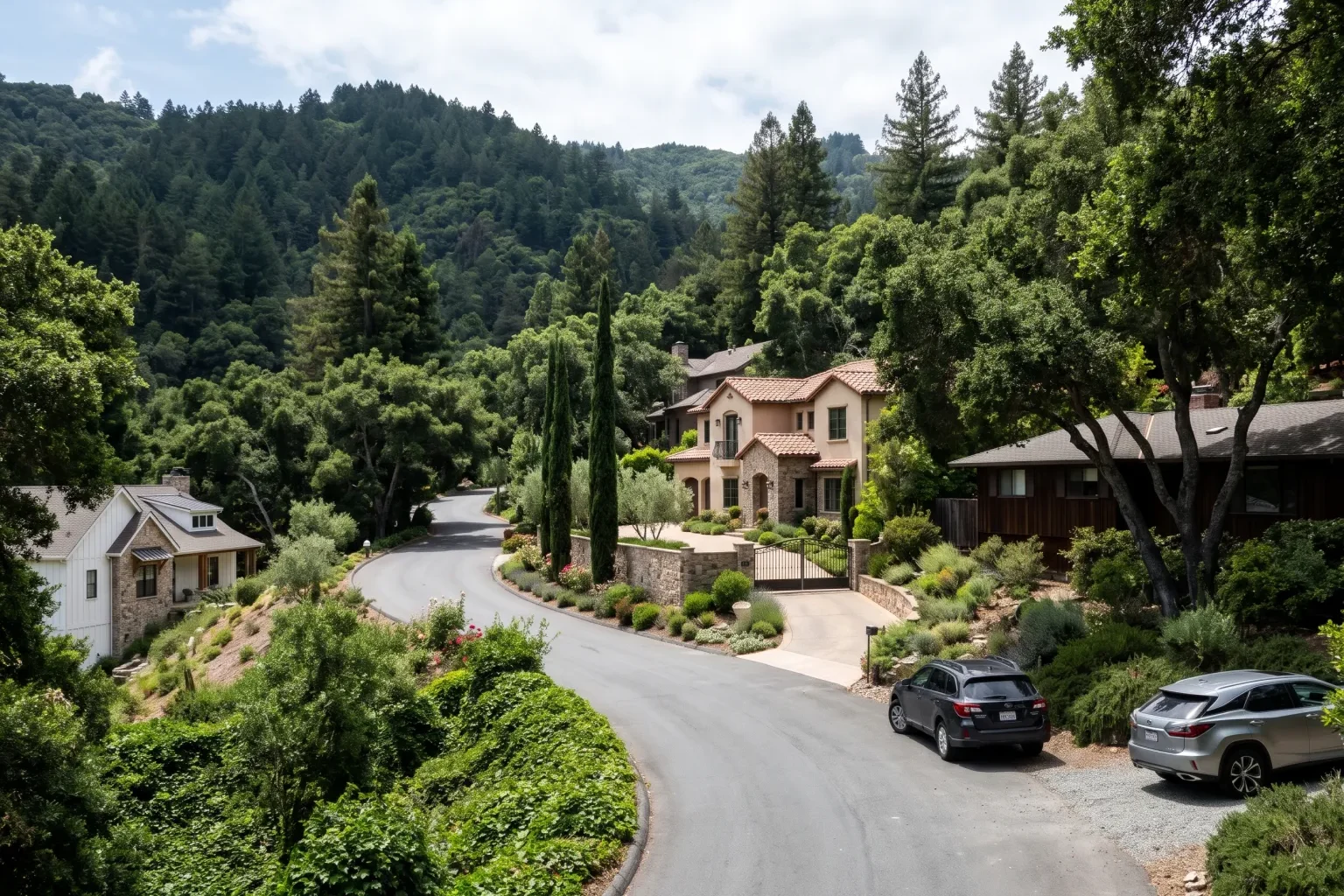
Monte Sereno is a small, quiet residential city on the southwest side of the valley, about nine miles from our San Jose base, between Los Gatos and Saratoga. Homes here tend to be larger and set on bigger lots than in much of the county, and that changes how an air conditioning project should be planned. One oversized condenser serving a long, sprawling floor plan rarely keeps every wing comfortable. BayPro Heating & Cooling designs new cooling systems for Monte Sereno houses with the floor plan, the sun exposure and the quiet of the neighborhood in mind, so the result is even comfort without a loud box humming under someone's window.
Planning cooling for a larger floor plan
The southern and inland parts of the Santa Clara Valley run noticeably hotter in summer than neighborhoods near the Bay, and Monte Sereno sits on that warmer side. Afternoon sun on west-facing glass, vaulted ceilings and second-floor bedrooms can create big temperature differences between rooms. A single thermostat in a central hallway cannot see those differences.
For many homes here we recommend one of two approaches. The first is a zoned system: one outdoor unit and air handler, with motorized dampers in the ducts and a thermostat in each zone. The second is two independent systems, often one serving the main living areas and another serving the upstairs or a bedroom wing. Each approach has trade-offs in equipment, maintenance and how much flexibility you get, and we explain them plainly.
Load calculations, not rules of thumb
Square footage alone says little about how much cooling a house needs. A well-shaded single story with good attic insulation may need far less capacity than a smaller two-story with large south and west windows. We measure rooms, note window sizes and orientation, check insulation levels and calculate the load for each zone.
Right-sized equipment runs longer, quieter cycles, removes more moisture and uses less energy than a unit picked one size up just in case. Variable-speed and two-stage systems handle the swing between a mild June day and a hot September afternoon especially well, because they can run at low output most of the time and ramp up only when needed.
Where the equipment goes
In a neighborhood this quiet, condenser placement deserves real thought. We look at setbacks to property lines, distance from bedroom windows on both your house and the neighbor's, access for future service and airflow around the unit. Landscaping can hide equipment, but plants packed too close starve the coil of air.
Indoors, air handlers in larger homes may sit in an attic, a crawlspace, a basement mechanical room or a garage. Attic installs need a solid platform, a secondary drain pan and a float switch to protect ceilings from condensate overflow. Crawlspace and basement installs need moisture protection and clear access.
- Outdoor units placed with clearance for airflow and service
- Sound ratings considered when the pad is near patios or bedrooms
- Line set routes planned to avoid long, exposed runs on visible walls
- Secondary drain protection for attic air handlers
- Dedicated electrical circuits and disconnects sized to the new equipment
Ductwork in homes that never had AC
Some older Monte Sereno homes were built with heating ducts sized only for a furnace. Cooling needs more airflow, so those ducts may be too small, poorly insulated or missing returns in key rooms. We measure static pressure and inspect the runs, then recommend where to add returns, upsize trunks or replace damaged flex duct. Skipping this step is the most common reason a new system disappoints.
If a section of the house has no ducts at all, such as a converted garage or a newer addition, a ductless mini-split can cool it without tearing into finished ceilings.
Thinking ahead about heating
If the furnace is old, consider whether a heat pump should do the cooling instead of a standard air conditioner. A heat pump cools exactly the same way and also provides heat. Under Bay Area Air District Rule 9-4, gas furnaces manufactured from 2029 must meet a zero-NOx standard, which in practice points to heat pumps for future furnace replacements. Working furnaces are not required to be removed.
We serve Monte Sereno along with Los Gatos, Saratoga, Campbell, Cupertino and Santa Clara. Planning an installation in spring gives you time to compare options and schedule the work before the hottest weeks of the year.
More services in Monte Sereno
- AC Repair in Monte Sereno
- Heating Repair in Monte Sereno
- Heat Pump Installation in Monte Sereno
- Furnace Repair in Monte Sereno