
The short answer
Mountain View's mild climate lets a heat pump run efficiently year round, covering both heating and cooling. BayPro sizes it for your heating load, reviews ducts and electrical service, and checks current BayREN or utility incentives; the federal 25C credit ended after 2025.
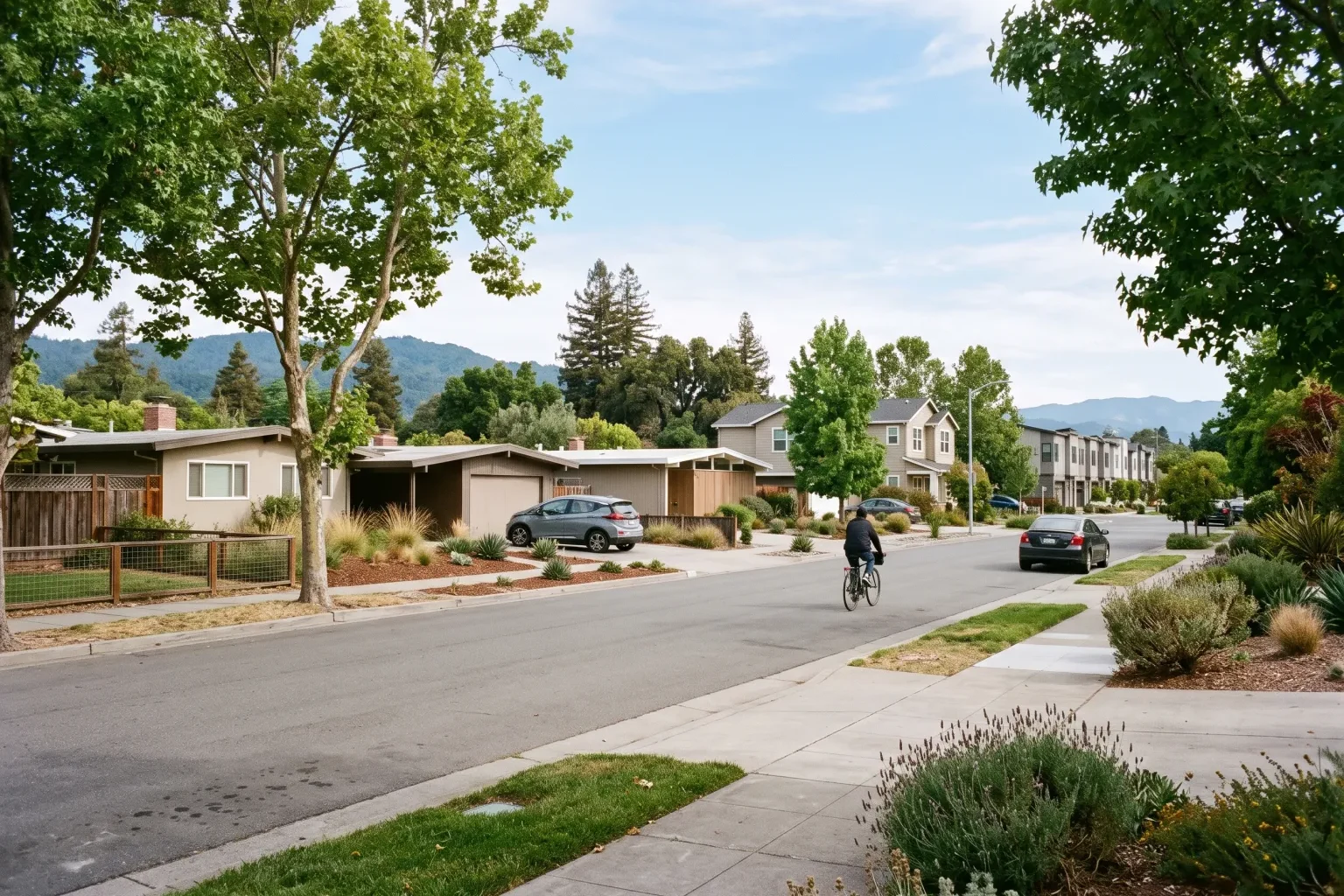
Few places in the Bay Area are as well suited to heat pumps as Mountain View. Being close to the Bay keeps summers moderate and winters mild, so a heat pump spends nearly the whole year in the temperature range where it works most efficiently. For homeowners in 94040, 94041 and 94043 replacing an old furnace, adding cooling for the first time or both at once, a heat pump can take care of the whole job with one system. BayPro Heating & Cooling, about eleven miles away in San Jose, plans and installs heat pumps for single-family homes, townhomes and condos here. This page explains how we size them, what the conversion involves and where the rules and incentives stand today.
Sizing for heating, not just cooling
Air conditioners are sized for summer. Heat pumps have to be sized for both seasons, and in a mild coastal-influenced climate the two loads are often close. We calculate each one for your home, looking at insulation, window area, air leakage and orientation, then select equipment that covers the heating load on a cold morning without being oversized for summer.
Variable-speed heat pumps are a strong match for Mountain View. They throttle down on the many mild days, run long, quiet cycles and avoid the temperature swings that come from stopping and starting. Backup electric heat is often small or unnecessary, but we size it when the design calls for it.
What a conversion from gas involves
Replacing a gas furnace and air conditioner with a heat pump usually means swapping the furnace for an air handler and the old condenser for a heat pump outdoor unit. The ducts stay, though we check and seal them. The gas line to the furnace is capped. The electrical panel takes on a larger load, so we confirm capacity.
Each home is a little different, and these are the steps we work through with you.
- Load calculation for heating and cooling
- Electrical panel review, including plans for an EV charger or other electric appliances
- Duct inspection, sealing and any needed changes to returns or trunk size
- Outdoor unit location, clearance and defrost drainage
- Permit filing, installation, refrigerant work and system commissioning
- Thermostat setup for heat pump operation and a walkthrough of how it behaves
Townhomes, condos and ductless options
Attached homes in Mountain View often have limited space for outdoor equipment and may need HOA approval. Compact heat pump condensers and ductless mini-split systems fit many of these situations. A multi-zone ductless system can heat and cool several rooms from a single outdoor unit, and it skips the duct losses that attic systems can suffer.
For single-family homes with ducts in poor condition, a ducted system with new or repaired ductwork is usually the better long-term choice. We explain both options and the trade-offs for your space.
Rules, water heaters and incentives
Under Bay Area Air District Rule 9-4, natural gas furnaces manufactured from 2029 must meet a zero-NOx emission standard. That points most homeowners toward heat pumps for future furnace replacements, though the rule does not require you to replace a furnace that still works.
Water heaters follow a separate rule. Rule 9-6 set a 2027 zero-NOx date for small water heaters, and the Air District Board is considering amendments in November 2026 that could delay it. If you plan to replace a gas water heater along with your furnace, check the current rule first; we can talk through timing with you.
The federal 25C credit covered qualifying heat pumps placed in service before December 31, 2025, and is not available for new installations. BayREN and your local clean energy provider may offer current heat pump incentives. Amounts change by funding cycle, so we confirm the active offer before including it in a quote.
Where we install
We install heat pumps across Mountain View and in nearby Los Altos, Sunnyvale, Los Altos Hills, Cupertino and Santa Clara. Planning the switch while your current system still runs gives you time to sort out electrical work and permits without being rushed by a breakdown.
More services in Mountain View
- AC Repair in Mountain View
- Heating Repair in Mountain View
- AC Installation in Mountain View
- Furnace Repair in Mountain View