
The short answer
AC installation in Los Altos Hills usually means planning multiple zones or systems, longer refrigerant line runs, and equipment placement that works with slopes, setbacks and views. A room-by-room load calculation and a careful site walk come before any equipment choice.
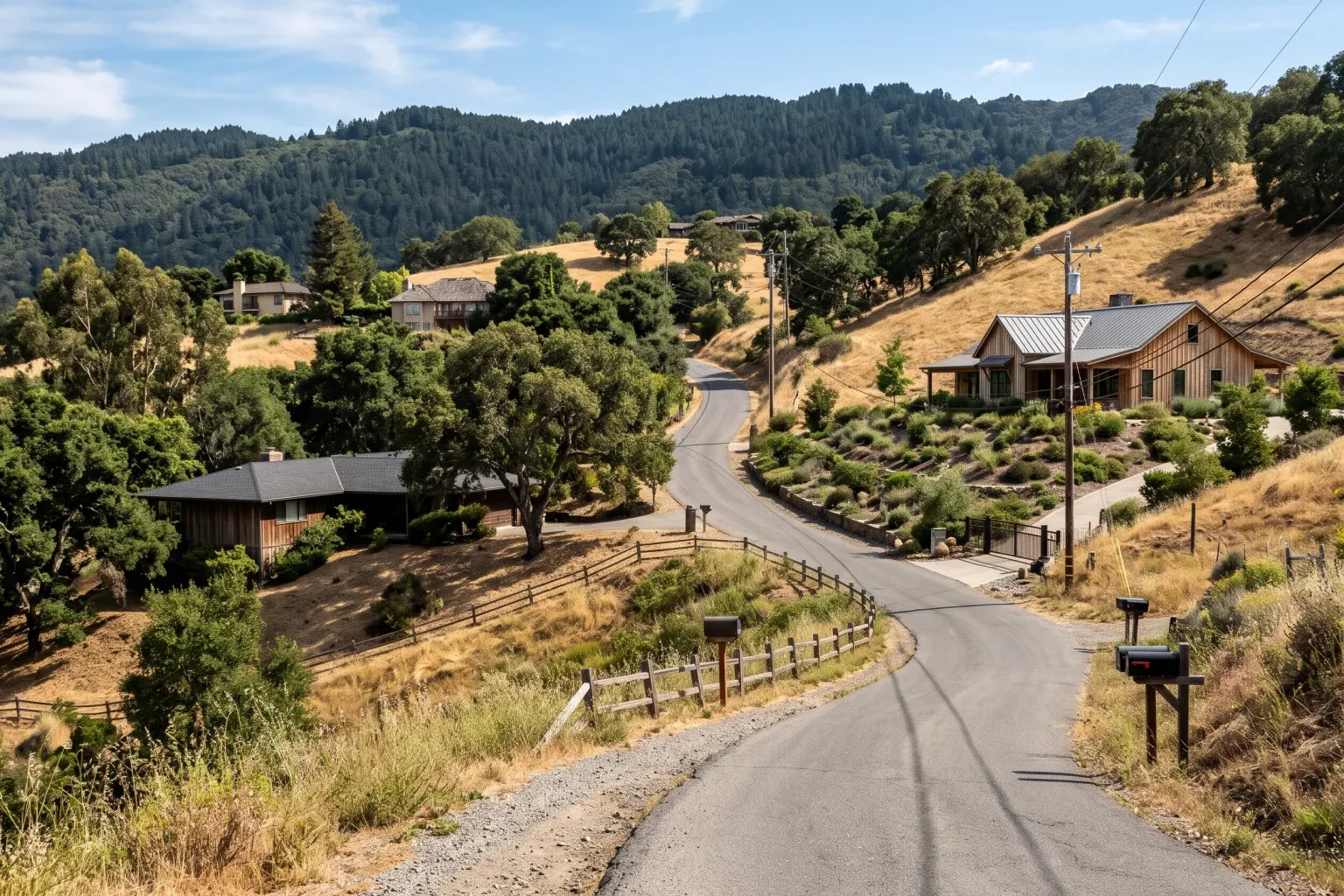
Installing cooling in Los Altos Hills is rarely a matter of dropping a condenser beside the garage. Homes in this town tend to sit on larger, sloped parcels, many are spread across several levels or wings, and the equipment pad may be a long way from the rooms that need cooling. Sun exposure also varies more than in the flatter neighborhoods below: a ridge-facing great room with tall glass can heat up quickly on a September afternoon, while a north-side bedroom under trees stays cool. BayPro Heating & Cooling travels about 14 miles west from San Jose to design and install air conditioning for 94022 properties. Here is how we approach a project at this scale, and the decisions worth making early.
One system, several zones, or several systems
A single-story house of modest size can often be cooled well by one system. Many Los Altos Hills homes are different: a main level, a lower level built into the hillside, a separate guest wing or a detached studio. Asking one large unit to serve all of that through long ducts often produces hot and cold spots and high operating costs.
We usually compare three approaches. A zoned system uses motorized dampers so one outdoor unit can serve different areas on separate thermostats. Multiple independent systems give each wing its own equipment and redundancy if one fails. Ductless heads can handle outlying rooms or outbuildings that are impractical to duct. The right mix depends on layout, how the spaces are used and where equipment can sit.
Sizing for sun, glass and elevation
A load calculation for a hillside home has to account for things a tract house does not. Large window walls facing south or west, vaulted ceilings, rooms partly below grade and long exposed rooflines all change how much cooling each space needs.
We calculate the load room by room, then group rooms with similar needs into zones. A lower level set into the slope may need very little cooling, while an upper living room with a wall of glass may need more than its square footage suggests. Getting this right is what keeps the house comfortable without oversized equipment running in short, inefficient bursts.
Placing equipment on a sloped lot
Outdoor units need a stable, level pad, good airflow and a route for service access. On a hillside that can take some planning. We look at the following during the site walk:
- A pad location that drains well and will not shift on the slope
- Refrigerant line length and elevation change between the outdoor unit and the indoor coil, which affects equipment selection and charging
- Distance and sight lines from patios, pools, neighbors and view corridors
- Clearance from dense vegetation, both for airflow and for defensible space around the house
- A safe path for technicians to reach the equipment for future maintenance
- Town permit, setback and screening requirements that apply to the location
Indoor air and filtration
Homes near open space can pull in more dust and pollen than those in denser areas, and smoke from regional wildfires sometimes settles over the Bay Area in late summer and fall. A new installation is a good time to add a filter cabinet that accepts a deeper, higher-efficiency media filter, and to make sure the return is large enough to move air through it without strain.
We can also discuss fresh-air options and dehumidification settings so the house feels comfortable with windows closed on smoky or hot days.
Planning around your heating
If the home heats with gas furnaces, an add-on AC coil is often the simplest path. But consider timing. Bay Area Air District Rule 9-4 requires gas furnaces manufactured from 2029 to meet a zero-NOx standard, which in practice points toward heat pumps when furnaces are replaced. The rule does not force anyone to remove working equipment. If your furnaces are aging, a heat pump for one zone or the whole house may make more sense than new AC alone, and we can outline both.
We also handle the permit and schedule inspection, and coordinate with your builder or architect if cooling is part of a larger remodel.
More services in Los Altos Hills
- AC Repair in Los Altos Hills
- Heating Repair in Los Altos Hills
- Heat Pump Installation in Los Altos Hills
- Furnace Repair in Los Altos Hills