
The short answer
Heating repair in Los Altos Hills starts with identifying which heat source and which zone has failed. From there, we test controls, ignition or defrost operation, airflow and safety, and explain the fix before doing the work.
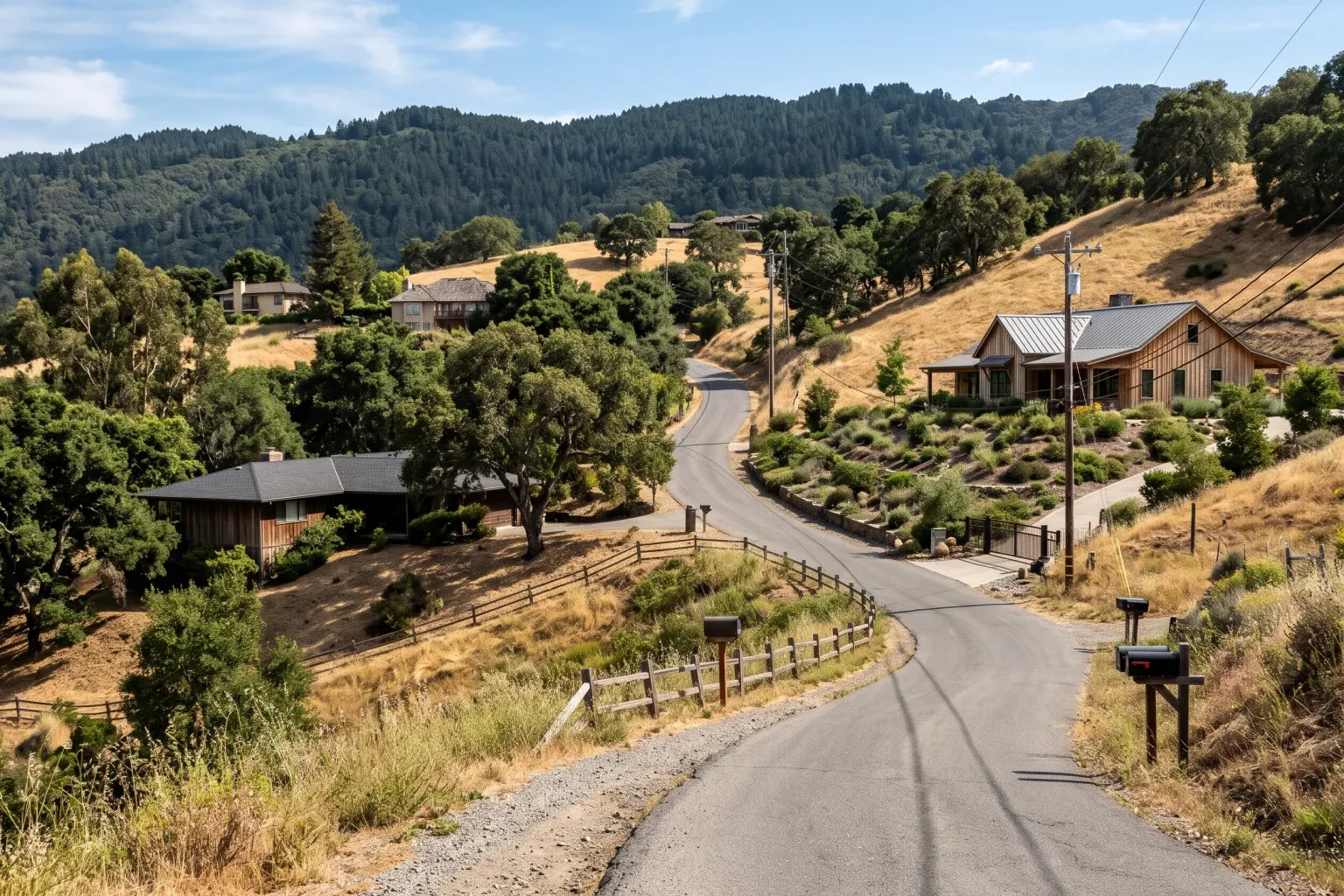
Lose heat in a big house on a hill and the cold arrives quickly. Exposed ridgelines, large windows and high ceilings let warmth slip away on clear winter nights, so even a few hours without heat can drop indoor temperatures noticeably. Los Altos Hills homes also tend to combine several kinds of heating: gas furnaces in the main house, heat pumps in a newer wing, ductless units in a studio, sometimes a wall heater in an older cottage. BayPro Heating & Cooling repairs these systems across 94022, about 14 miles west of our San Jose base. This page is organized around the question we hear most: what is actually broken, and how do we find it quickly.
Start with the map of your heating
Before our visit, it helps to sketch out what you know. Which thermostats control which rooms? Where is the equipment for each? Is any of it a heat pump? If one area is cold and the others are fine, the issue is likely confined to one system or one zone. If everything is cold, we look first at shared components such as the gas supply, a main electrical feed or a central control panel.
If you do not have this information, that is fine. We will trace it during the visit and leave you with a simple record of each system and its location.
Zones that stop calling for heat
Zoned systems use dampers in the ducts to direct air to different parts of the house. When a damper motor fails or a zone board loses communication, a room can stay cold while the furnace or heat pump seems to be working. Common signs include air blowing strongly in one area and barely at all in another, or a thermostat that shows it is calling for heat with no response.
We test each damper and thermostat input, check the zone board, and confirm the equipment is getting the right signals. Many zoning repairs are a single motor or a wiring fault rather than a major equipment problem.
Heat pump heating issues in winter
Heat pumps in Los Altos Hills face damp winter air and, on exposed sites, wind that can affect defrost performance. These are the faults we see most often during the heating season:
- Outdoor coil staying frosted because a defrost sensor or control has failed
- Reversing valve not switching, so the system delivers cool air in heat mode
- Backup electric heat not engaging when the heat pump cannot keep up
- Outdoor fan motor failure, often noticed as a loud hum or no fan movement
- Refrigerant leaks causing weak heat and long run times
- Thermostat configured for the wrong system type after a replacement
Gas heat and older appliances
Furnaces and wall heaters still make up much of the heating in town. We repair ignition systems, flame sensors, pressure switches, limit switches, blowers and gas valves, and on every gas appliance we inspect venting and test for carbon monoxide.
Older wall heaters in cottages or guest units deserve a careful look. Some are decades old, with parts that are no longer available, and some sit close to furniture or curtains. If an appliance is unsafe or impractical to repair, we will tell you and discuss replacement, which may be a ductless heat pump for that space.
Repair now, plan for later
Bay Area Air District rules do not require replacing working equipment, so repairing a sound system is often the right decision. If your heating is near the end of its life, it is worth knowing that Rule 9-4 sets a zero-NOx standard for gas furnaces manufactured from 2029, which in practice points toward heat pumps for replacements. We can explain the options without pressure. Our service area also includes Los Altos, Mountain View, Cupertino, Sunnyvale and Saratoga.
More services in Los Altos Hills
- AC Repair in Los Altos Hills
- Heat Pump Installation in Los Altos Hills
- AC Installation in Los Altos Hills
- Furnace Repair in Los Altos Hills