
The short answer
A furnace that will not heat in Santa Clara usually has a problem somewhere in its startup sequence: the inducer, pressure switch, ignitor, flame sensor or blower. We trace the sequence step by step, repair the failed component, and run combustion and safety checks before leaving.
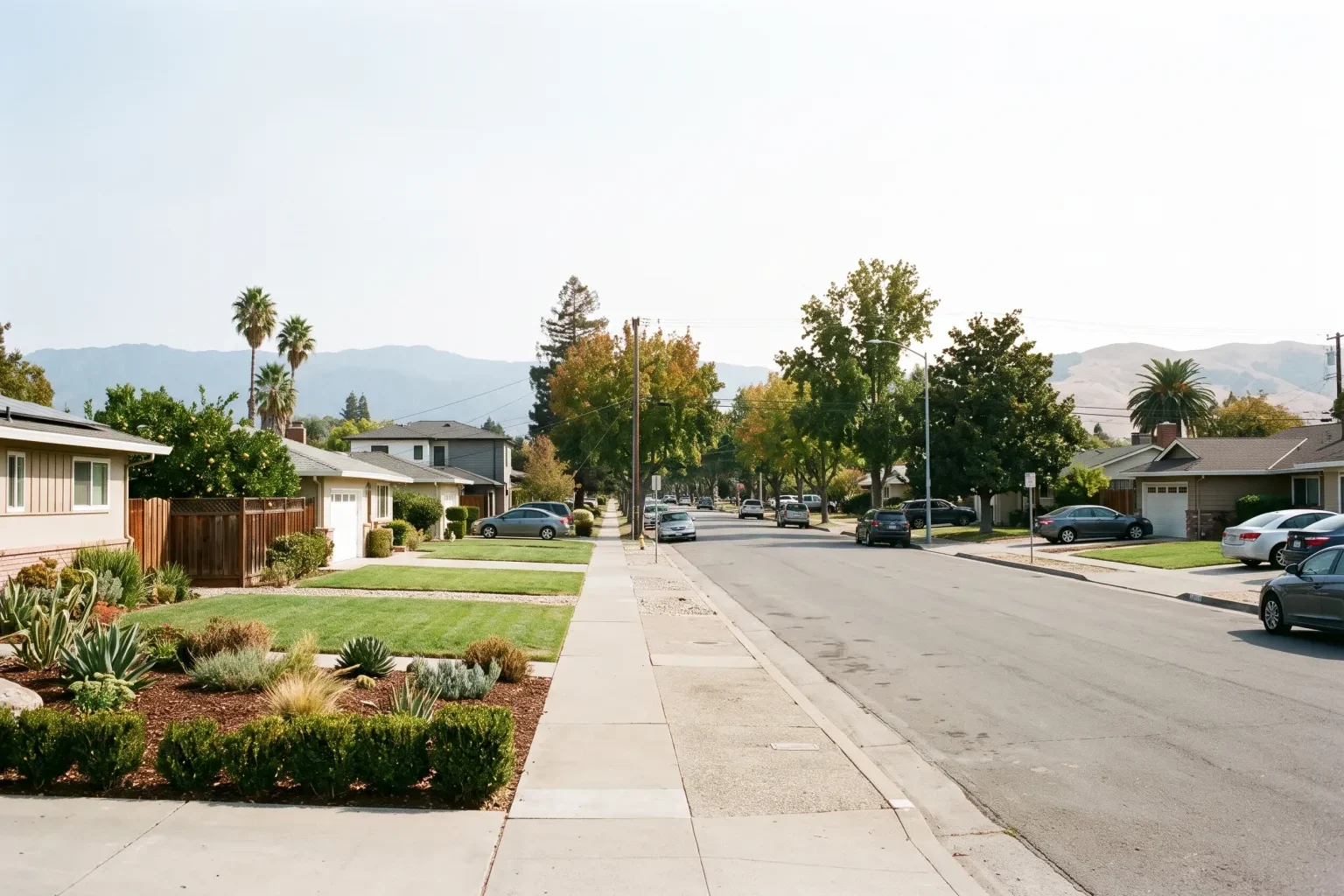
Santa Clara winters are mild, so a gas furnace here may sit quiet for months and then get asked to run every morning once the damp cold of December settles in. Long idle stretches are hard on ignitors, flame sensors and the small safety switches that decide whether the burners are allowed to light. BayPro Heating & Cooling repairs forced-air gas furnaces, older wall and floor furnaces, and furnace-and-AC combinations in Santa Clara's 95050, 95051, 95053 and 95054 ZIP codes. Our base in San Jose is roughly 5 miles to the southeast, which keeps travel short. Here is how a furnace is supposed to start, where that sequence tends to break, and what we do once we find the fault.
The startup sequence, and where it fails
Modern gas furnaces follow a fixed order every time the thermostat calls for heat. Knowing that order makes diagnosis faster, and it helps you describe what you hear and see.
- The thermostat sends a signal and the control board starts the inducer motor to clear the flue. A noisy or stalled inducer stops everything here.
- A pressure switch confirms the flue is drafting. Blocked vents, cracked hoses or a weak inducer keep it open, and the board locks out.
- A hot surface ignitor glows. These are fragile and crack with age, which is one of the most common no-heat causes we find.
- The gas valve opens and burners light. If the flame sensor is coated with residue, the board cannot prove flame and shuts the gas off within seconds.
- After warm-up, the blower starts and moves heated air. A failed blower motor or capacitor means the furnace overheats and trips its limit switch.
Older furnaces in Santa Clara homes
Many houses in the city date from the decades after the war, and some still rely on a wall furnace in the hallway or a floor furnace under a grate. These units have simpler controls, often a standing pilot and a thermocouple, but they also have fewer safety features. When we repair one, we pay close attention to the venting, the condition of the burner and the combustion chamber, and whether rust or soot points to a bigger problem.
Forced-air furnaces tucked into garages or closets come with their own issues: dust from storage, return air pulled from a garage, and flues that were disturbed during later remodels. We check each of these as part of the visit, because they affect both safety and how long the repair will last.
Safety comes before comfort
A furnace burns gas inside your home, so every repair includes a look at the parts that keep combustion gases out of the living space. We inspect the heat exchanger for cracks or rust-through, test for carbon monoxide at the supply registers and around the appliance, and confirm the flue is intact and drafting properly. If we find a cracked heat exchanger, we will show you what we see and explain why the furnace should stay off.
If a carbon monoxide alarm sounds in your house, leave, call emergency services from outside and do not restart the furnace until it has been inspected. Every home with a gas appliance should have working CO alarms near sleeping areas.
Repair now, and plan ahead
Most furnace problems are fixable for a reasonable part and an hour or two of work. When the furnace is older and the failure is a major one, such as a heat exchanger or control board on a unit near the end of its life, we lay out both repair and replacement so you can choose.
That conversation now includes Bay Area Air District Rule 9-4. Natural gas furnaces manufactured from 2029 must meet a zero-NOx emission standard, which in practice points homeowners toward heat pumps when a furnace is replaced after that date. The rule does not require anyone to replace a working furnace, and it does not stop us from repairing yours. It simply means that if replacement is on the horizon, you may want to think about a heat pump while you have time to plan.
Small habits that prevent winter calls
Change the filter before the heating season and again partway through. Keep boxes and paint cans away from a garage furnace and its combustion air openings. Turn the heat on briefly in October so any problem shows up before a cold night does. A fall tune-up lets us clean the flame sensor, check the ignitor and test safeties while the furnace is still working.
We also repair furnaces for homeowners in Sunnyvale, Cupertino, Campbell, Milpitas and Mountain View.
More services in Santa Clara
- AC Repair in Santa Clara
- Heating Repair in Santa Clara
- Heat Pump Installation in Santa Clara
- AC Installation in Santa Clara