
The short answer
A heat pump heats and cools a Santa Clara home with one system, and the mild valley climate lets it run efficiently most of the year. Installation involves a load calculation, a check of your ducts and electrical panel, and choosing between a ducted system and ductless heads.
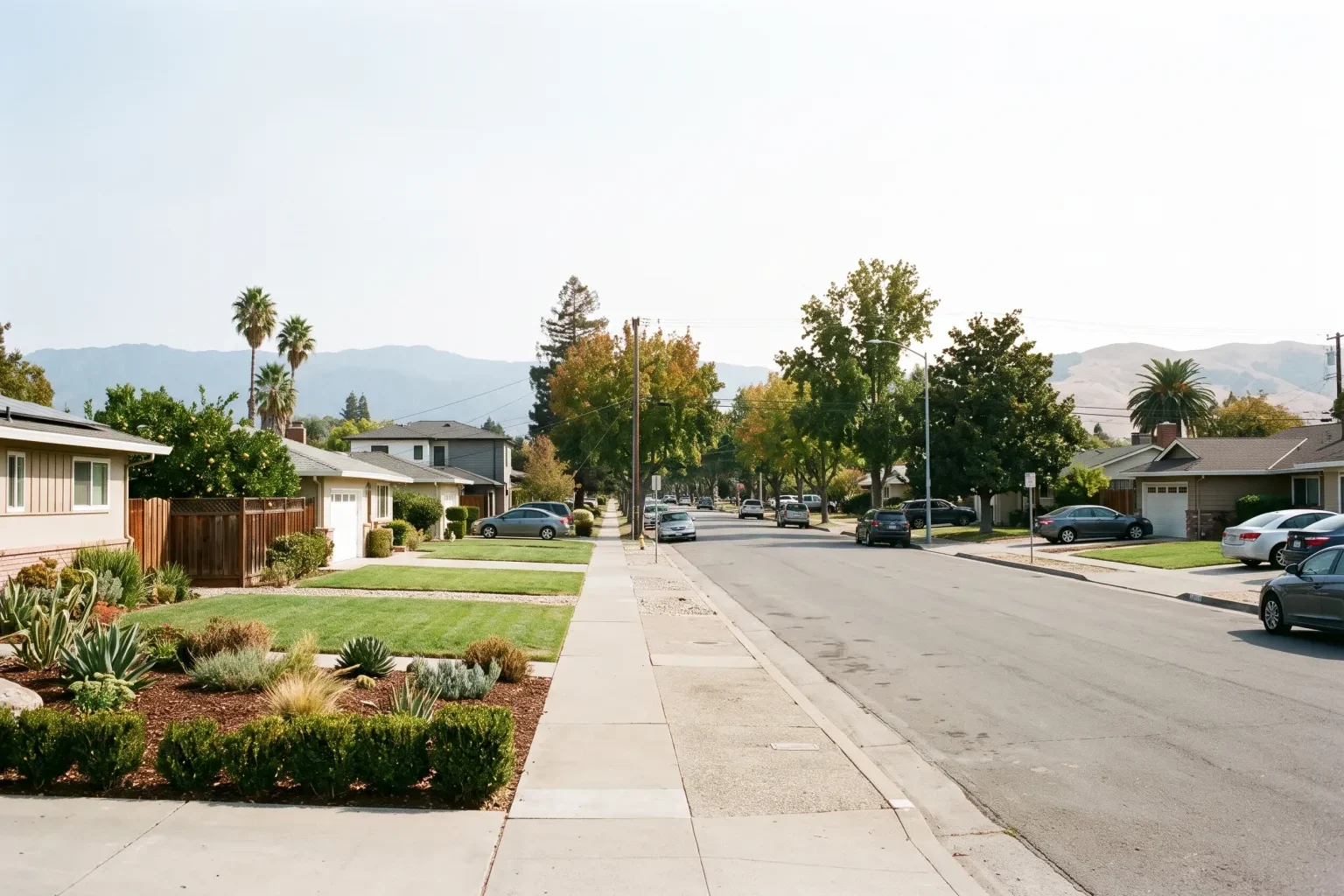
Santa Clara's weather is close to ideal for a heat pump. Winter nights get chilly and damp but rarely bitter, and summer afternoons are warm enough that most families want real cooling. One heat pump can handle both seasons by moving heat in or out of the house instead of burning fuel. BayPro Heating & Cooling installs ducted and ductless heat pumps for homes in 95050, 95051, 95053 and 95054, a short drive northwest of our San Jose base. Rather than a sales pitch, this page walks through the questions Santa Clara homeowners actually ask us before switching: whether the house is ready, what changes on the electrical side, which layout fits, and how the Air District's rules play into timing.
Is a heat pump a good fit for my house?
For most Santa Clara homes, yes. The valley's Mediterranean climate means long stretches of moderate temperatures, which is exactly where heat pumps work most efficiently. Freezing nights are uncommon, so backup electric heat strips are often unnecessary or only used rarely.
Fit depends more on the house than the weather. A ranch home with reasonable attic ducts and some insulation is a straightforward conversion. A house with leaky ducts, little insulation or several rooms added over the years may need some work first, or may be better served by a ductless layout. We find out during the first visit by measuring the home's heating and cooling load room by room.
What changes on the electrical side
Replacing a gas furnace with a heat pump moves your heating onto electricity, so the panel has to support it. We check the panel's rating, the space available for a new breaker and the total load already on it, including any EV charger, electric dryer or induction range. Many homes have room. Some need a load management device or a panel upgrade, and we tell you which before the project is scheduled so there are no surprises midway.
We also look at the path from the panel to the outdoor unit and to the indoor air handler, since both need dedicated circuits.
Ducted, ductless or a mix
Each layout has its place in Santa Clara homes, and the right answer often depends on how your existing system is built.
- Ducted heat pump: an outdoor unit paired with an air handler or coil that uses your existing duct system. Best when ducts are in decent shape and sized well enough for cooling airflow.
- Dual-fuel setup: a heat pump paired with a gas furnace that handles only the coldest hours. Useful when the furnace is fairly new and you want to cut gas use without replacing it yet.
- Ductless mini-split: wall, ceiling or floor heads fed by one or more outdoor units. Good for homes without ducts, older houses with floor or wall furnaces, and additions.
- Hybrid layout: a ducted system for the main living area plus a ductless head for a converted garage or a room that always runs hot or cold.
Rules, timing and incentives
Under Bay Area Air District Rule 9-4, natural gas furnaces manufactured from 2029 must meet a zero-NOx emission standard. In practice, that points homeowners toward heat pumps when a furnace is replaced after that date. The rule does not require you to replace working equipment, so no one is forced to switch early. What it does is give homeowners with aging furnaces a reason to plan the change on their own schedule instead of during a breakdown.
On incentives, keep expectations accurate. The federal 25C credit applied to qualifying heat pumps placed in service before December 31, 2025, and it is not available for new installations after that date. BayREN and your local clean energy provider may offer current heat pump and electrification incentives, but amounts and availability change by funding cycle. We confirm the offer that applies at the time of your installation before we include it in a quote.
What installation looks like
A typical ducted conversion takes a few days. We remove the old furnace or air handler and the old condenser if there is one, set the new indoor unit, run refrigerant lines and wiring, mount the outdoor unit on a pad or wall bracket with clearance for service and airflow, and connect the condensate drain. The line set is pressure-tested and evacuated before refrigerant is released. We then commission the system in both heating and cooling modes, verify airflow and temperatures, and set up the thermostat so the heat pump runs efficiently rather than leaning on backup heat.
We install heat pumps in Sunnyvale, Cupertino, Campbell, Milpitas and Mountain View as well, so neighbors on either side of the city can expect the same process.
More services in Santa Clara
- AC Repair in Santa Clara
- Heating Repair in Santa Clara
- AC Installation in Santa Clara
- Furnace Repair in Santa Clara