
The short answer
Saratoga AC repairs usually fall into four groups: airflow problems, electrical failures, refrigerant leaks and drainage issues, with zoning and debris adding local twists. We test to find the real cause, explain it, and price the repair before starting.
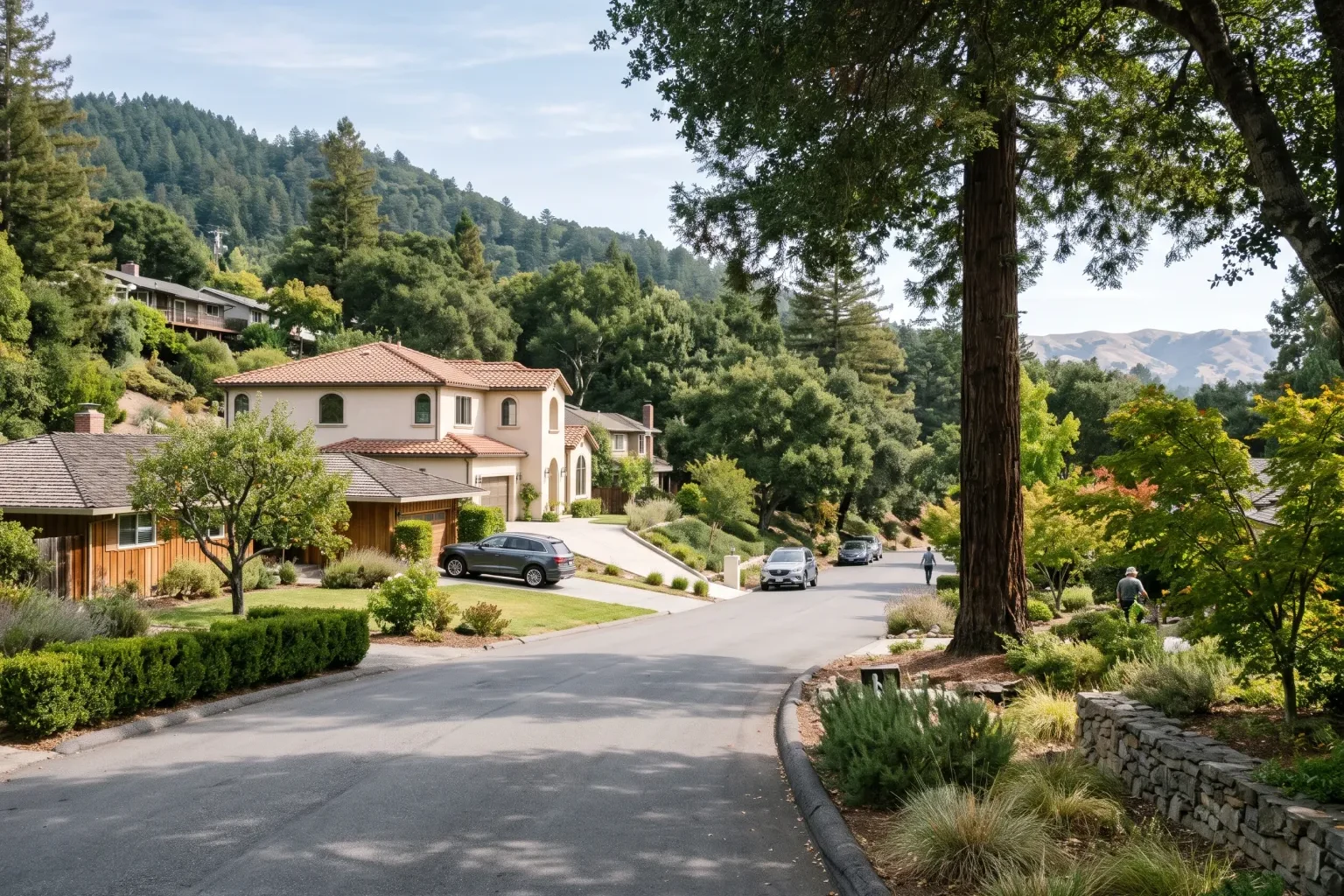
Air conditioning problems in Saratoga often have a local flavor. Outdoor units sit under oaks and pines that shed onto the coil, hillside yards bring rodents that chew low-voltage wiring, and larger homes rely on zoned systems with dampers that can stick. When something goes wrong, the result looks the same to you: a warm house and a thermostat that will not catch up. BayPro Heating & Cooling repairs central air conditioners, heat pumps and ductless systems throughout 95070, about 9 miles southwest of our San Jose base. Below we sort the most common faults into four groups, explain what each looks like, and describe how we confirm the cause before touching your wallet.
Airflow problems
If air barely trickles from the vents or the indoor coil freezes, the system is not moving enough air across it. A clogged filter is the first suspect, but in Saratoga homes we also find coils coated in dust after years without cleaning, blower motors running slowly on a weak capacitor, and zone dampers stuck shut so the system pushes against a closed duct.
Zoned systems deserve special mention. When one damper fails closed, the rest of the ducts may not be able to handle the full airflow, which leads to noise, frozen coils and high-pressure trips. We test each damper motor and the zone control board as part of diagnosis.
Electrical failures
A humming outdoor unit with a stationary fan, a condenser that will not start at all, or a breaker that trips the moment cooling begins are signs of an electrical fault.
- Run and start capacitors weaken with heat and age, and they are among the most frequent single-part repairs
- Contactors can pit and stick, either refusing to close or keeping the unit running after the thermostat is satisfied
- Rodents on wooded and hillside lots sometimes chew thermostat wire where it runs along the foundation to the condenser
- Loose lugs at the disconnect box overheat and cause intermittent shutdowns that are easy to miss
- Failing compressors draw heavy current and trip breakers; we measure amperage before naming the compressor as the culprit
Refrigerant leaks
An air conditioner does not use up refrigerant. If the charge is low, it escaped through a leak. Typical signs are warm air from the vents, ice on the suction line, a hissing sound near the coil, or a system that runs constantly without lowering the temperature. Longer line sets, common on larger Saratoga properties where the condenser sits far from the house, have more joints and more chances for a leak.
We locate the leak with electronic detection, pressure testing or dye, then explain whether it can be repaired. Simply topping off refrigerant without fixing the leak leaves you paying again later. Units that still run on R-22 face a separate issue: that refrigerant is no longer made for new equipment, so a large leak on an older system often makes replacement the more sensible path.
Drainage issues
Cooling pulls moisture out of the air, and that water has to go somewhere. Algae and dust can clog the condensate line, causing a pan to overflow. In homes with the air handler in the attic, the first sign may be a stain on the ceiling below. Many systems have a float switch that shuts cooling off when the pan fills, which protects the ceiling but leaves the house warm. We clear the line, check the pan for cracks, confirm the float switch works and make sure the drain has proper slope.
What to expect from our visit
We listen first, then test. Our technician checks the thermostat and any zone controls, measures electrical readings at the condenser and blower, reads refrigerant pressures and temperatures, and inspects the indoor coil and drain. You hear what we found and what the repair costs before any work begins. When equipment is near the end of its life, we also outline replacement so you can compare; Air District rules do not require replacing working systems, so the choice stays yours.
Keeping the area around your outdoor unit clear of leaves and branches through the summer prevents many of these calls. We also handle AC repair in Monte Sereno, Cupertino, Campbell, Los Gatos and Santa Clara.
More services in Saratoga
- Heating Repair in Saratoga
- Heat Pump Installation in Saratoga
- AC Installation in Saratoga
- Furnace Repair in Saratoga