
The short answer
Saratoga homeowners can move to heat pumps all at once or one system at a time, starting with the furnace that is oldest. We evaluate load, ducts, electrical capacity and equipment placement, then install and commission ducted, ductless or dual-fuel systems.
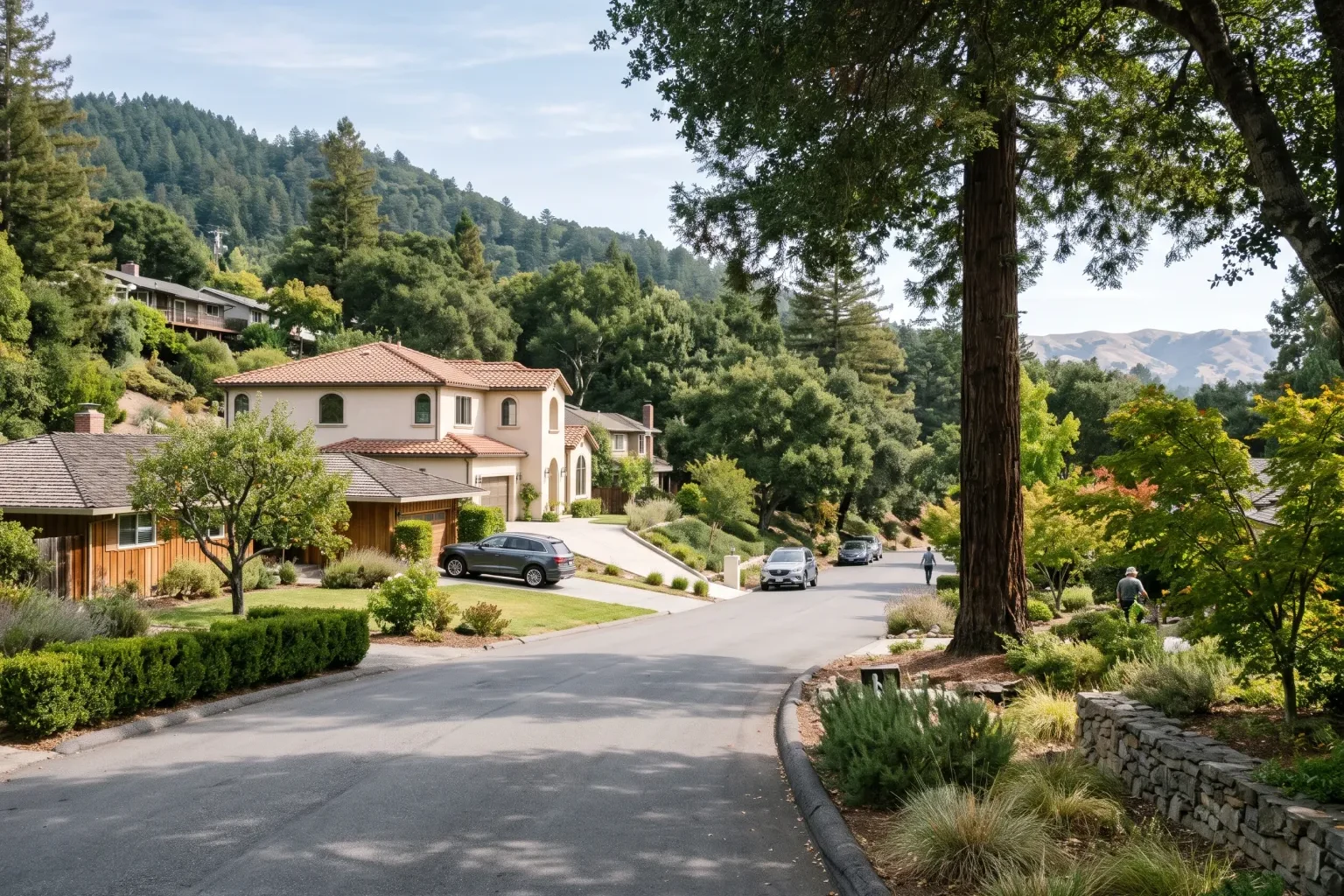
Switching a Saratoga home to a heat pump is rarely a single swap. Houses in 95070 are often large, sometimes served by two or three furnaces, and set on lots where the look and sound of outdoor equipment matter to owners and neighbors alike. That makes planning the most important part of the job. BayPro Heating & Cooling installs ducted heat pumps, ductless systems and dual-fuel setups in Saratoga, about 9 miles southwest of our base in San Jose. This page covers a phased way to electrify, the questions worth settling before you commit, where outdoor units should go on a foothill property, and what the current rules and incentives really say.
Electrify in phases if that suits you
If your home has more than one furnace, there is no need to replace them all on the same day. Many owners start with the system that is oldest or serves the rooms used most, convert it to a heat pump, and live with it through a summer and a winter. Once they see how it performs, they plan the next zone. That approach spreads out the work, lets the electrical upgrades happen in steps when needed, and avoids replacing equipment that still has years of life left.
Bay Area Air District rules support that pacing. They do not require replacing working equipment and apply only when a furnace or water heater fails or is replaced. Under Rule 9-4, gas furnaces manufactured from 2029 onward must meet a zero-NOx standard, so when a remaining furnace eventually gives out, a heat pump will likely be the practical replacement. Planning now means that day is not an emergency.
Questions to settle before installation
Our first visit is mostly measuring and listening. These are the points we work through with you.
- Load: how much heating and cooling each area actually needs, based on insulation, windows, ceiling height and shading
- Ducts: whether the existing ducts are sized and sealed well enough for a heat pump's steadier, lower-temperature airflow
- Electrical capacity: what the panel already carries, including pool equipment, EV charging and kitchen appliances, and whether an upgrade or load management is needed
- Backup heat: whether to keep a furnace in a dual-fuel arrangement or rely on the heat pump alone
- Separate spaces: guest houses, studios and finished basements that may be easier to serve with ductless heads
Placing outdoor units on a foothill lot
Modern heat pumps are quieter than older air conditioners, but where they sit still matters. On larger Saratoga properties we usually have several options, and we weigh them carefully. We look for a level base, room for airflow on all sides, distance from bedrooms and outdoor living areas, and a reasonable line set length to the indoor unit. Sloped yards may call for a formed concrete pad or a wall-mounted bracket.
Trees are part of the picture too. Heavy leaf and needle fall can clog the outdoor coil, and in winter a heat pump needs to shed melted frost during defrost cycles without that water pooling on a walkway. We plan drainage and clearances with those details in mind, and we can route refrigerant lines inside covers so the exterior stays tidy.
Incentives, stated accurately
There is a lot of outdated information about heat pump credits. The federal Energy Efficient Home Improvement Credit, known as 25C, covered qualifying heat pumps placed in service before December 31, 2025. It is not available for installations after that date. At the regional level, BayREN and your local clean energy provider may offer heat pump and electrification incentives, but the amounts and availability change by funding cycle. We check what is current at the time of your project and only include an incentive in a proposal once it is confirmed.
Installation and setup
Depending on the scope, a single-system conversion runs a few days, and multi-zone projects take longer. We remove the old equipment, set the new air handler or coil, install the outdoor unit, run and evacuate the refrigerant lines, wire the controls and connect the condensate drain. Commissioning includes checking refrigerant charge and airflow in both heating and cooling modes and setting the thermostat so backup heat only runs when it is truly needed.
Saratoga's dry summers and mild, damp winters let a well-sized heat pump carry the house comfortably year-round. We also install heat pumps in Monte Sereno, Cupertino, Campbell, Los Gatos and Santa Clara.
More services in Saratoga
- AC Repair in Saratoga
- Heating Repair in Saratoga
- AC Installation in Saratoga
- Furnace Repair in Saratoga