
The short answer
No heat, weak heat, heat that cycles on and off, uneven rooms and rising bills each point to different causes. We repair furnaces, heat pumps, ductless systems, wall heaters and thermostats in Sunnyvale, testing the whole system before recommending a fix.
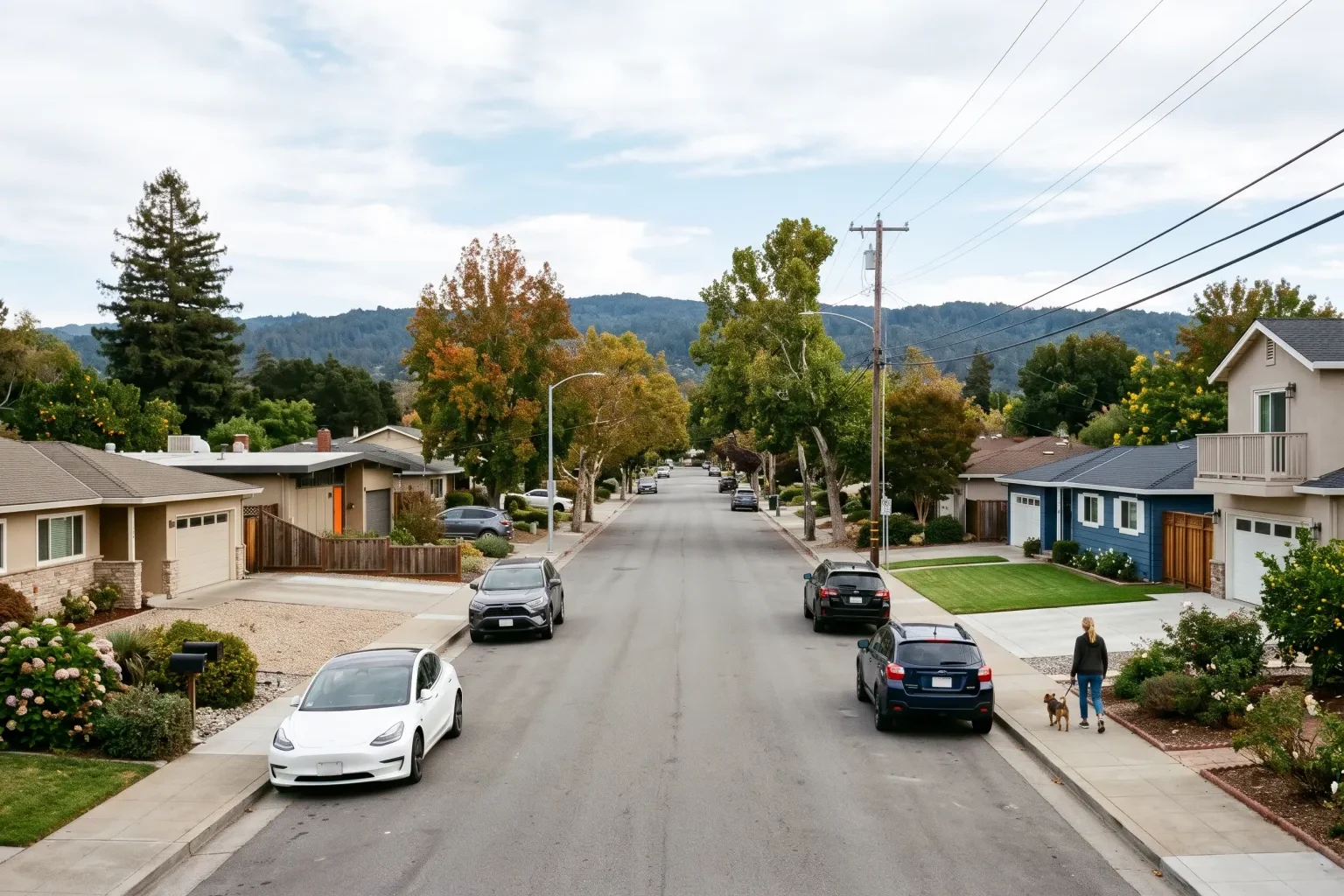
Heating complaints tend to fall into patterns, and the pattern tells us where to look. A system that produces no heat at all fails differently from one that runs but never warms the house, and both differ from heat that comes and goes through the night. Sunnyvale homes add their own variety: gas furnaces in closets and garages, heat pumps in newer and remodeled houses, ductless heads in mid-century homes, and the occasional wall heater still doing duty in a back room. BayPro Heating & Cooling repairs all of these across 94085, 94086, 94087 and 94089, about 8 miles northwest of our San Jose base. This page sorts common problems by pattern so you can describe yours and know what we will check.
No heat at all
When nothing happens after you raise the thermostat, the problem is often simple to reach but still needs testing. We start with power and controls: the breaker, the service switch near the furnace or air handler, the thermostat's batteries and settings, and the low-voltage fuse on the control board. A furnace door that is not fully closed will also keep the unit from starting, because a safety switch senses it.
If power and controls check out, the issue moves into the equipment: a failed ignitor, a gas valve that will not open, a heat pump compressor that does not start, or a control board fault. Thermostats can also lose their settings after a power outage, and heat pump thermostats sometimes get switched to the wrong mode.
Heat that runs but never catches up
A system that runs for hours while the house stays cool usually has an airflow, refrigerant or capacity problem.
- Clogged filters and dirty coils that restrict how much warm air reaches the rooms
- Disconnected or crushed ducts sending heat into the attic or crawlspace
- Low refrigerant in a heat pump, which reduces heating output well before it stops working
- A heat pump stuck in defrost or with a failing reversing valve, blowing lukewarm air
- Undersized equipment, sometimes left over from before an addition was built
Heat that comes and goes
Short cycling, where the system starts and stops every few minutes, is hard on equipment and uncomfortable to live with. In furnaces, the common causes are an overheating heat exchanger tripping the limit switch, a flame sensor that intermittently loses the signal, or a pressure switch dropping out when the vent is partly blocked. In heat pumps, short cycling can come from refrigerant issues, an oversized unit or a thermostat placed near a heat source.
Intermittent problems are harder to catch, so it helps if you note when they happen: at startup, after an hour, only on the coldest mornings. We may run the system through several cycles to see the fault for ourselves.
Uneven rooms and creeping bills
If one end of the house is noticeably colder, ducts are the first suspect. We measure airflow at registers, check for closed or blocked dampers, and inspect accessible ductwork for gaps and missing insulation. In two-story homes, warm air naturally collects upstairs, and a single thermostat downstairs can leave bedrooms too warm or the ground floor too cool.
Rising bills without a change in habits suggest the system is working harder than it should. Leaky ducts, dirty components, a heat pump leaning on backup heat strips, or a thermostat schedule that was reset can all add cost. Finding and fixing the cause usually brings comfort back too.
How we repair, and what comes next
Every visit ends with a clear explanation, a repair price before work starts, and for gas appliances, a carbon monoxide and venting check. We also keep common parts on hand so many repairs can be finished in a single trip.
If your system is old and the repair is large, we can outline replacement for comparison. The Air District's appliance rules do not require replacing working equipment, but from 2029 newly manufactured gas furnaces must meet a zero-NOx standard under Rule 9-4, which points future replacements toward heat pumps. Sunnyvale's mild winters make that an easy fit. We also repair heating systems in Mountain View, Santa Clara, Los Altos, Cupertino and Los Altos Hills.
More services in Sunnyvale
- AC Repair in Sunnyvale
- Heat Pump Installation in Sunnyvale
- AC Installation in Sunnyvale
- Furnace Repair in Sunnyvale